Free And Cheap Things To Do In Florence: A Budget Food Lover's Guide
Florence rewards the frugal. A pay-what-you-want walking tour covers the Medici heart of the city, state museums open free on the first Sunday of each month, and the city's best eating, from lampredotto to schiacciata, costs less than a sandwich in most capitals.
Short answer
Yes, you can do Florence cheaply. A free, pay-what-you-want walking tour runs 2h15 with a 4.89 rating, state museums are free on first Sundays, a counter espresso averages 1.26 euro, and the cheapest paid food tour starts at $45. Budget mainly for the tourist tax, from 3.50 euro per night.
Florence has a reputation for emptying wallets, and the headline prices at the Uffizi or a steakhouse on Via de' Tornabuoni do not argue otherwise. But the city's core experience, walking from piazza to piazza through the Medici centre, costs nothing at all, and several of its best food experiences cost less than a cinema ticket at home. This guide lays out what is genuinely free, what is nearly free, where a small budget buys a lot, and which charges you cannot avoid no matter how carefully you plan.
The starting point is honest accounting rather than wishful thinking. Some costs in Florence are fixed: the tourist tax is charged per night by law, and the cheapest paid food tour on the market starts at $45. Around those, however, sits a thick layer of free sightseeing, free museum days, cheap counter food and one very good pay-what-you-want walking tour. Every price and rating below comes straight from the live listings.
What Can You Actually Do In Florence For Free?
The answer is more than most visitors expect: the entire historic centre is free to walk, the city's major churches are free to enter outside museum sections, state museums open free on the first Sunday of every month, and two of the three historic markets cost nothing to enter and browse, so a full free day in Florence is entirely realistic.
Start with the streets themselves. The whole UNESCO historic centre, from Piazza del Duomo across Ponte Vecchio to Palazzo Pitti, is an open-air museum with no ticket booth. The ZTL traffic rules that frustrate drivers are what keep these streets walkable, and the city's regulation of the centre, extended in April 2026 for a further five years, exists precisely to protect this fabric.
Churches are the second free layer. The Basilica di Santa Croce, Santa Maria Novella and Santo Spirito all admit visitors to the main nave without charge at most hours, with fees applying only to their museum sections or special areas. One caution for food lovers: a May 2026 mayoral ordinance prohibits standing, eating or drinking on the forecourt and steps of Santo Spirito, with fines of 400 to 1,000 euro, so finish your market snack before you sit down there.
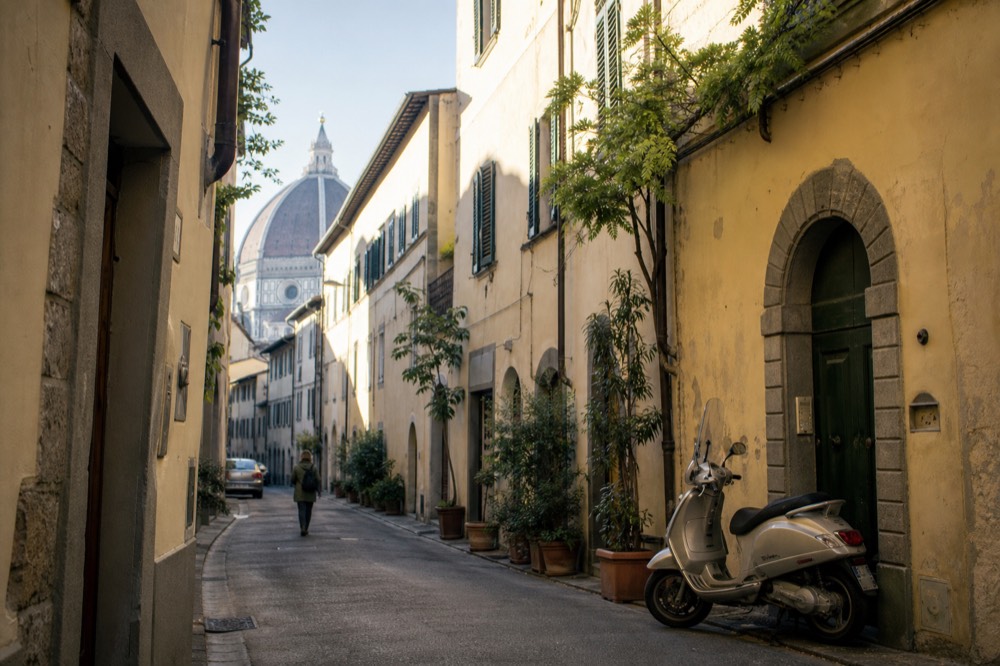
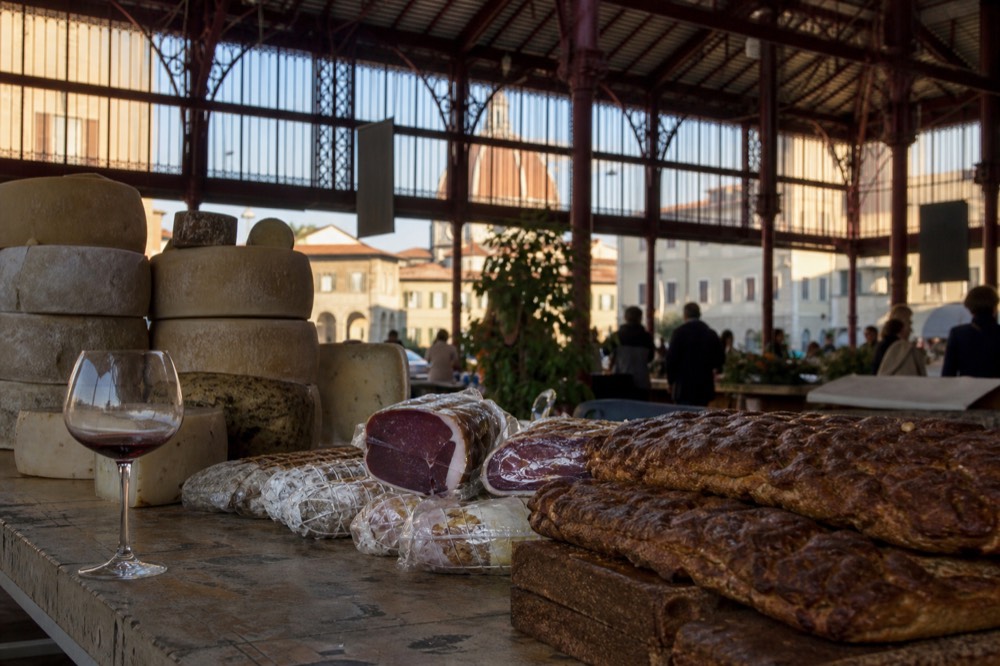
The third free layer is the markets. Mercato Centrale's ground floor, with over one hundred businesses across its 1874 cast-iron halls, is free to enter and browse, and the outdoor stalls around San Lorenzo are free to wander even if you buy nothing. Sant'Ambrogio, the city's oldest market, reopened in December 2025 after a 1.9 million euro restoration with new canopies covering all its stalls, and browsing costs nothing.
For orientation, the city's own tourism resources are free: the Comune's historic markets page lists every municipal market with current hours, and it is the most reliable free planning tool for market days.
Is The Free Walking Tour Worth It?
Yes, genuinely: the best-known free walk in Florence is a 2h15 pay-what-you-want tour of the Medici centre, art and gastronomy run by Original Florence, rated 4.89 across 3,153 English reviews on GuruWalk, a pay-what-you-want walking-tour platform, and it covers ground that paid tours charge $45 or more for.
The walk in question is the Best of Florence tour covering Medici history, Renaissance art and Florentine gastronomy. You book a slot, walk with a licensed guide, and pay what you think the tour was worth at the end. The format has real advantages for budget travellers: zero commitment up front, a genuine local guide, and a route that threads the Duomo, the Medici landmarks and the food culture of the centre into one narrative.
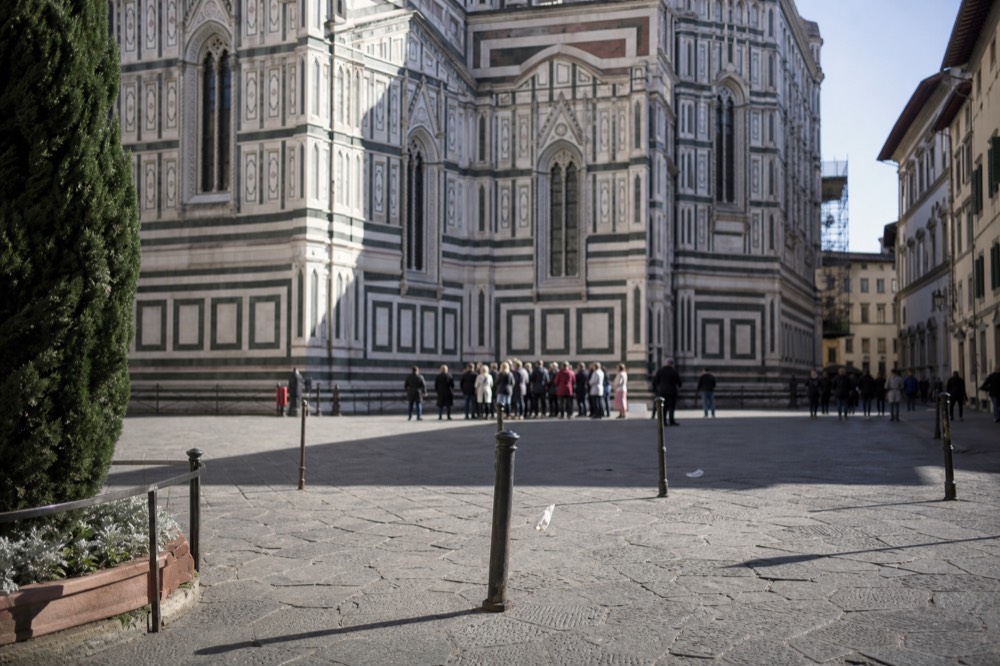
The honest caveats are these. A free walk is a sightseeing walk with food commentary, not a tasting tour: nobody hands you a panino. Group sizes run larger than paid small-group tours, and the guide's income depends on tips, so the standard etiquette is to tip in cash at the end, with five euro as a common floor for a walk of this length. If you want to see it for yourself, See this free tour on GuruWalk for current times and availability.
| Detail | The free walk |
|---|---|
| Tour | Best of Florence: Medici, art and gastronomy |
| Operator | Original Florence |
| Platform | GuruWalk (pay-what-you-want walking tours) |
| Duration | 2 hours 15 minutes |
| Rating | 4.89 from 3,153 English reviews |
| Price | Free, tip what you choose |
| Covers | Medici history, Renaissance art, Florentine food culture |
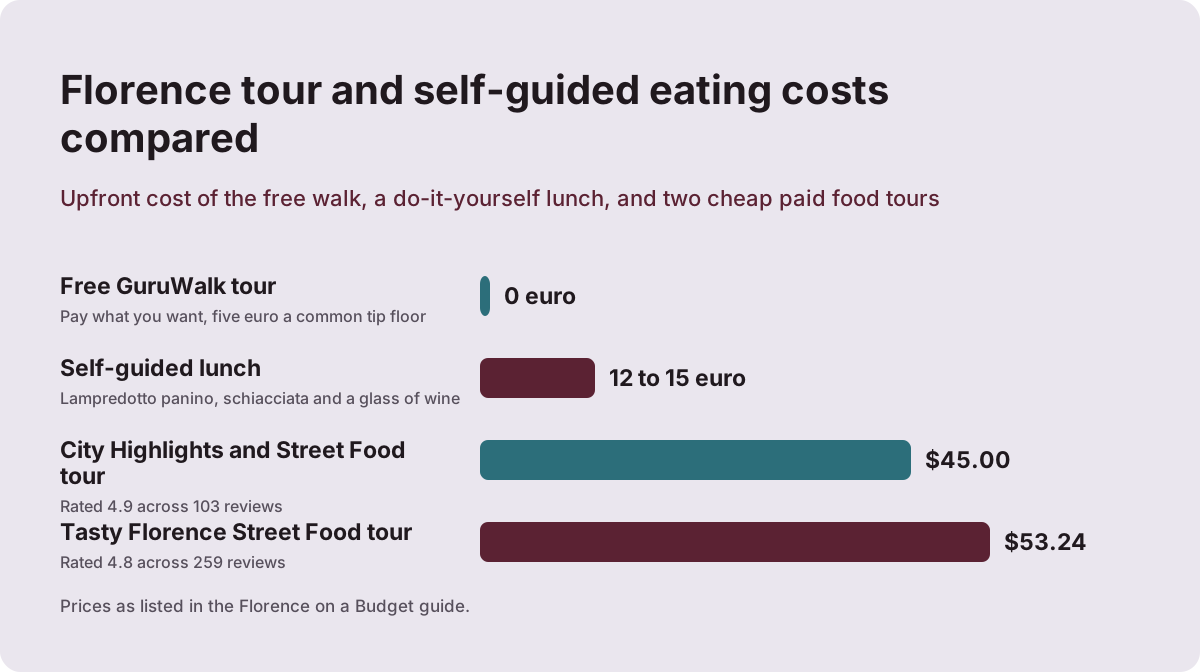
For many visitors this walk plus a self-guided lunch is the perfect budget day. For others, two and a quarter hours of walking with no food in hand leaves them wanting the next tier up, and that is where the cheap paid tours begin. The three below are the best value in the sub-$70 band: the cheapest tour on the entire roster, the highest-rated walk under $60, and the best food-per-dollar of any full meal tour.
What Does A Cheap Paid Food Tour Add Over The Free Walk?
For between $45 and $70 a paid street food tour adds the food itself: five to six tastings with wine, a guide who buys alongside you, and access to stalls and counters a first-time visitor would walk past, while the free walk gives you the story but leaves you buying your own lunch.
The comparison is not really free versus paid, it is free-plus-self-guided-eating versus one ticket that bundles the eating. If you buy a lampredotto panino, a schiacciata and a glass of wine on your own, you will spend perhaps 12 to 15 euro and eat well. A $45 to $69 tour costs more but adds a guide's curation, seated stops, and tastings, truffle, aged balsamic, regional wine, that you would rarely assemble yourself in two and a half hours (see Food Tour Costs).
| What you get | Free GuruWalk tour | Cheap paid food tour ($45-$70) |
|---|---|---|
| Guide | Yes, licensed, tips expected | Yes, included in price |
| Duration | 2h15 | 2 to 3.5 hours |
| Food tastings | None, commentary only | 5 to 6 stops, full meal on some tours |
| Wine | None | Included on most cheap walks |
| Group size | Larger, variable | Small groups, some capped at 12 |
| Cancellation | Free, book and show up | Free up to 24 hours before start on all three picks |
| Upfront cost | 0 euro | From $45 |
The cheapest tour on the roster is the City Highlights and Street Food walking tour at $45.00 from, rated 4.9 across 103 reviews, which pairs Florentine recipe tastings with the main sights. It is the highest-rated walk under 60 dollars and the natural first paid upgrade from the free tour.
One rung up, the Tasty Florence Street Food tour at $53.24 from, 4.8 across 259 reviews, is the sightseeing-and-eating hybrid: street food tastings plus drinks, plus a real guided walk of the city, meeting at Piazza dell'Unita Italiana. If the free walk's structure appealed but you wanted the guide to feed you too, this is the match, and you can Check availability to see current dates and the live price.
Between the two, the deciding factors are usually the tasting list and the pace. The City Highlights tour is the cheaper and shorter-feeling option, built around Florentine recipe tastings as you pass the main monuments. The Tasty Florence walk leans harder into the guided-city-walk side, which makes it the closer cousin of the free tour, but with food and drinks in hand the whole way. Both carry free cancellation up to 24 hours before the start time, so neither locks you in if your plans shift.
How Much Does A Day Of Cheap Eating In Florence Cost?
A realistic budget day of Florentine eating runs about 20 to 30 euro: the average counter espresso is 1.26 euro, a cappuccino 1.49 euro, the most common lampredotto panino price is 5 euro, and the coffee-plus-cornetto breakfast averaged 3.10 euro in September 2025, so counter culture is the single biggest lever on a food budget.
The numbers come from named sources, not guesswork. Fipe Confcommercio, working from ISTAT 2025 prices, put the average Florence counter espresso at 1.26 euro and a cappuccino at 1.49 euro. La Nazione reported the average coffee-plus-cornetto breakfast in Florence at 3.10 euro by September 2025. A July 2025 survey of Florence trippai found the most common lampredotto panino at 5 euro, with a 4 to 6 euro range depending on how central the stand is.
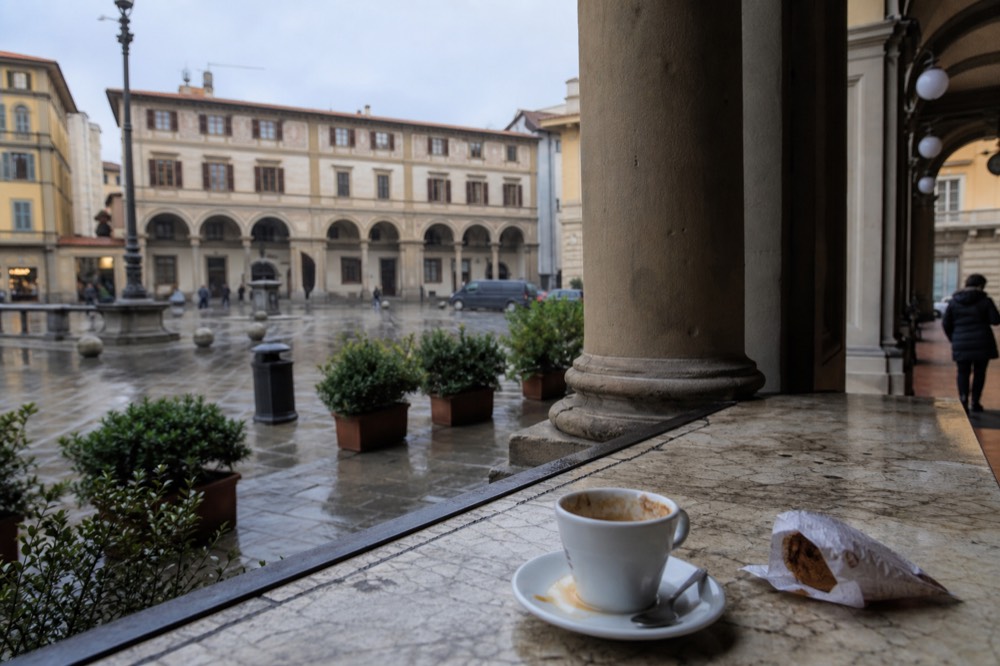
Two habits keep the budget intact. First, drink at the counter, not at the table: table service can cost more, and in September 2025 one bar owner in Borgo degli Albizi introduced a 1 euro table-service surcharge that took a seated espresso from 1.30 to 2.40 euro, a pattern budget travellers should expect to spread. Second, shop where locals shop: Sant'Ambrogio and the ground floor of Mercato Centrale price for residents, not for the piazza.
| Budget eating item | Typical price | Source basis |
|---|---|---|
| Counter espresso | 1.26 euro | Fipe Confcommercio on ISTAT 2025 prices |
| Cappuccino at the counter | 1.49 euro | Fipe Confcommercio on ISTAT 2025 prices |
| Coffee plus cornetto breakfast | 3.10 euro | La Nazione, September 2025 |
| Lampredotto panino | 4 to 6 euro, 5 most common | Trippai survey, July 2025 |
| Market picnic lunch | 10 to 15 euro | Planning range, check the stall |
Against those counter prices, a paid food tour looks different: the $69.39 Ultimate Food Tour, 4.8 across 493 reviews, is a full itinerant meal across at least four stops with wine included, the best food-per-dollar on the roster. Whether that is splurge or value depends on whether you count it as a tour or as dinner, and it is worth checking the live listing to compare what a night out at a trattoria would cost you instead.
Which Free Days And Cheap Tickets Should You Plan Around?
State museums, including the Uffizi and the Accademia, are free on the first Sunday of every month plus 25 April, 2 June and 4 November, the Uffizi costs 25 euro on the day or 29 euro booked in advance, and an afternoon Uffizi entry after 16:00 costs 16 euro, so timing your visit can save more than any restaurant trick.
The free Sundays are the headline. Under the national Domenica al museo scheme, the Uffizi, Accademia, Pitti and Boboli all open free on the first Sunday of each month, with the 2026 calendar confirmed by the city's official tourism site. The trade-off is crowds: free days are the busiest days, so arrive early or accept the queue. Municipal museums only join for residents under a separate scheme, so check which museums your target list actually includes.
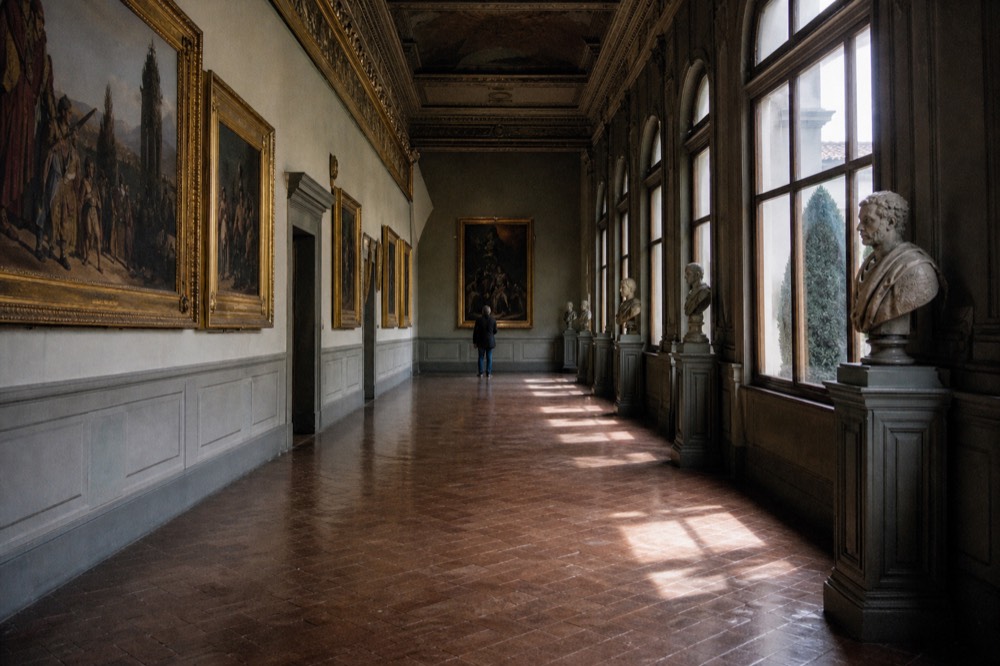
For paid days, the official Uffizi fares page lists the current structure: 25 euro day-of, 29 euro in advance, and a 16 euro afternoon ticket for entry after 16:00, which applies from 1 January 2026. Since 15 March 2026 the Accademia and Bargello also sell cumulative tickets, 26 euro for 48 hours or 38 euro for 72 hours across five venues, which suits a multi-day budget itinerary better than singles.
One more planning note: if you are moving between meeting points and museums by tram or bus, Autolinee Toscane's urban single ticket rose to 2.00 euro from 1 August 2026, with a 10-ride carnet at 18.20 euro, so a carnet pays for itself quickly on a packed itinerary. Most food tour meeting points in the historic centre, though, are reachable on foot from central accommodation.
What Costs Can You Not Avoid In Florence?
Two charges are unavoidable: the tourist tax, which runs 3.50 to 8.00 euro per person per night by accommodation type, is capped at seven consecutive nights and is charged by your accommodation, not at any city gate, and the coperto, a legal cover charge in Tuscany, appears on sit-down restaurant bills provided it is on the price list before you order.
The tourist tax took its current rates on 1 February 2025. A couple in a 4-star hotel pays 7.00 euro each per night, so three nights means 42 euro on top of the room. A short-term rental apartment, the Airbnb-style option many budget travellers choose, is charged at 6.00 euro per person per night. Children are exempt up to their 12th birthday, and the charge stops after seven consecutive nights.
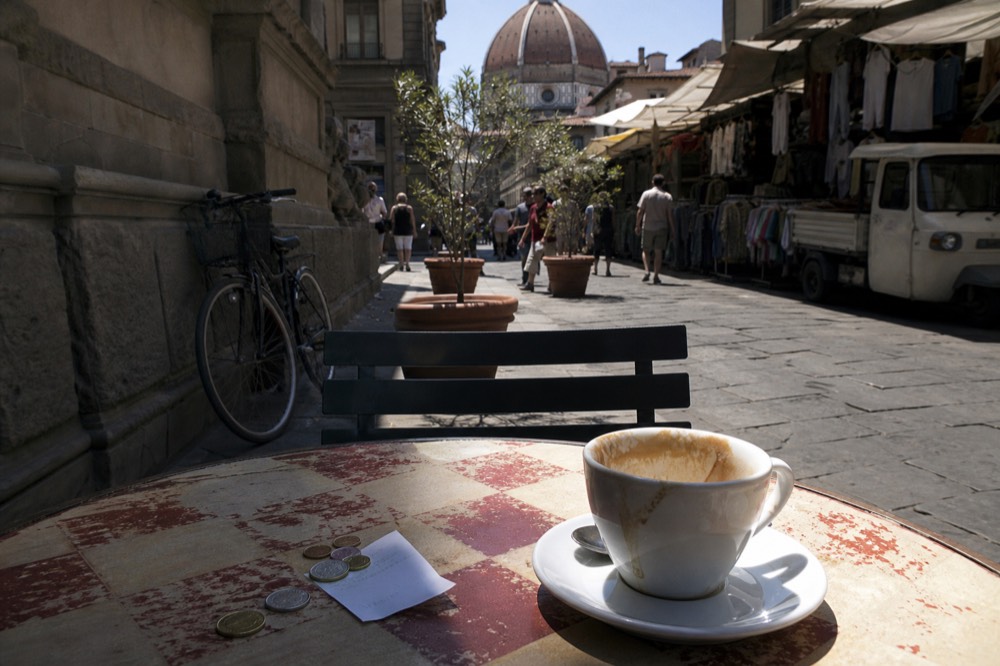
The coperto is the second. There is no national law banning or capping it, and unlike Lazio, where a 2006 regional law abolished it, Tuscany has no such rule, so a Florence restaurant may lawfully charge it if the price list shows it before you order. Check the menu: the charge must be displayed. And to kill a persistent myth, you are under no legal obligation to take your receipt with you, and there is no fine for leaving a bar without it.
| Unavoidable cost | Amount | Notes |
|---|---|---|
| Tourist tax, 3-star hotel | 6.00 euro pp/night | Max 7 consecutive nights |
| Tourist tax, 4-star hotel | 7.00 euro pp/night | Couple, 3 nights: 42 euro |
| Tourist tax, short-term rental | 6.00 euro pp/night | Rose from 5.50 in Feb 2025 |
| Tourist tax, campsite | 3.50 euro pp/night | Cheapest category |
| Coperto at restaurants | Varies, must be listed | Legal in Tuscany, check the menu |
| Children under 12 | Exempt from tourist tax | Applies to the tax only |
Everything else is negotiable. The 25 euro Uffizi ticket becomes free on first Sundays, the 5 euro panino stays 5 euro, and the free walking tour stays free. Budget for the tax and the coperto, then spend the rest where it buys the most.
Can You Do Florence's Markets For Free?
Yes, every one of Florence's markets is free to enter, and the ones locals actually shop, Sant'Ambrogio and the ground floor of Mercato Centrale, are the cheapest places in the city to assemble a full meal, with Sant'Ambrogio open Monday to Saturday 07:00-14:00 and the Cascine market every Tuesday from 07:00 to 14:00.
Sant'Ambrogio is the budget traveller's secret weapon. It is the city's oldest market, built in 1873 to Giuseppe Mengoni's design, and after its December 2025 reopening all stalls, food and non-food, operate under cover, with further solar-shading works completed in August 2026. It sits in the Santa Croce quarter, away from the most touristed streets, and its prices reflect that.
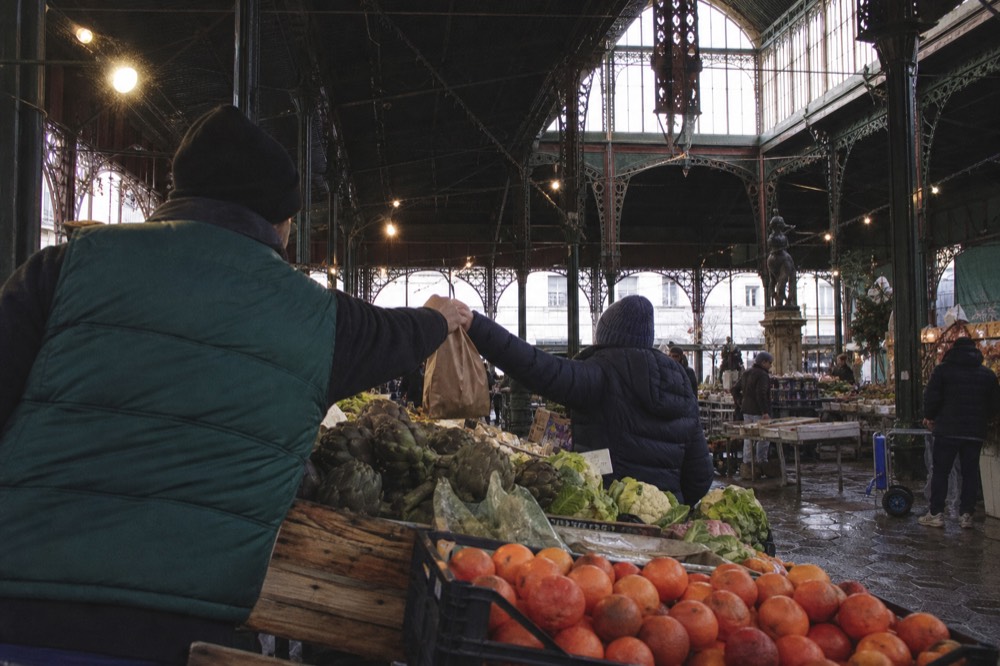
Mercato Centrale works on two floors with two budgets. The ground floor, Monday to Friday 07:00-15:00 and Saturday to 17:00, holds over one hundred stalls where a picnic costs market prices. The first floor, open every day 09:00-23:00, is the 2014 food hall: more atmospheric, somewhat pricier, but free to enter and sit in, and useful for a rainy evening with no plans.
Timing matters more than location. The Cascine market, hundreds of stalls along Viale Lincoln in Parco delle Cascine, runs every Tuesday from 07:00 to 14:00 and is the biggest open-air option. In Piazza Santo Spirito, La Fierucola, the zero-kilometre organic farmers' market, sets up on the third Sunday of each month except August, 09:00 to 19:00. One warning for Monday planners: a January 2025 ordinance closes the outdoor San Lorenzo stalls on many Mondays through the year, so check the day of the week before building your route around them.
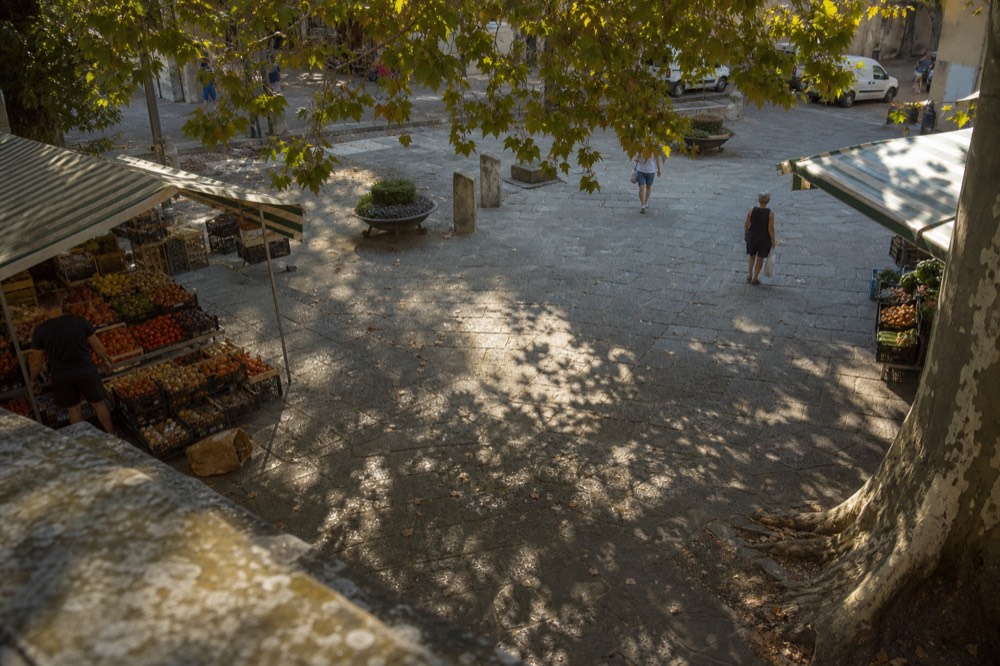
A free morning at any of these markets plus the free walking tour plus a counter lunch is a complete Florence day for under 20 euro, and it is a better day than most. For everything else, the cheap paid tours and the free museum Sundays fill the gaps, and the Florence Food Tours roster exists for the days you want someone else to do the choosing. If you are weighing formats, our comparison of Florence street food tours breaks down every cheap walk stop by stop, and what to expect on a Florence food tour covers the practical details before you book.
The short answers: the free walking tour is genuinely free on a pay-what-you-want basis, state museums cost nothing on the first Sunday of each month, the tourist tax runs 3.50 to 8.00 euro per person per night, the cheapest paid food tour starts at $45, and the coperto is legal in Tuscany but must be listed before you order. The details behind each answer follow below.
Common Questions About Free Things To Do In Florence
Is the free walking tour in Florence really free?
Yes. The Best of Florence walk on GuruWalk is a pay-what-you-want tour: you book a slot, take the 2h15 walk, and tip the guide what you choose at the end. It is rated 4.89 across 3,153 English reviews. Budget travellers typically tip in cash, with five euro as a common floor for a walk of this length.
What is free in Florence on the first Sunday of the month?
State museums, including the Uffizi, the Accademia, Palazzo Pitti and the Boboli Gardens, offer free entry on the first Sunday of every month, plus 25 April, 2 June and 4 November. Municipal museums only participate for residents, and free days draw the biggest crowds, so go early.
How much is the tourist tax in Florence?
Between 3.50 and 8.00 euro per person per night depending on accommodation type, charged for a maximum of seven consecutive nights. A short-term rental apartment is 6.00 euro per person per night, a 4-star hotel 7.00 euro. Children under 12 are exempt.
What is the cheapest food tour in Florence?
The City Highlights and Street Food walking tour at $45.00 from, rated 4.9 across 103 reviews, is the cheapest tour on the roster. Other strong budget options include a $49 street food walk with wine and the $69.39 Ultimate Food Tour, a full itinerant meal across at least four stops.
Can you eat cheaply in Florence?
Yes, if you eat at the counter and at the markets. The average counter espresso is 1.26 euro, a coffee-plus-cornetto breakfast averaged 3.10 euro, and the most common lampredotto panino price is 5 euro. A realistic budget day of eating runs 20 to 30 euro.
Do you have to pay the coperto in Florence restaurants?
The coperto is legal in Tuscany, and there is no cap on it, but it must appear on the price list before you order. Check the menu when you sit down. Unlike Rome, where a regional law abolished the charge, Florence restaurants may lawfully include it.