What Are The Top Five Things To Do In Florence, Italy?
The five things that justify a Florence trip, each backed by sourced facts: the Uffizi, the Duomo, Mercato Centrale, the Oltrarno and Chianti Classico, with costs, hours and the food tour that pairs with each.
What Are The Top Five Things To Do In Florence, Italy?
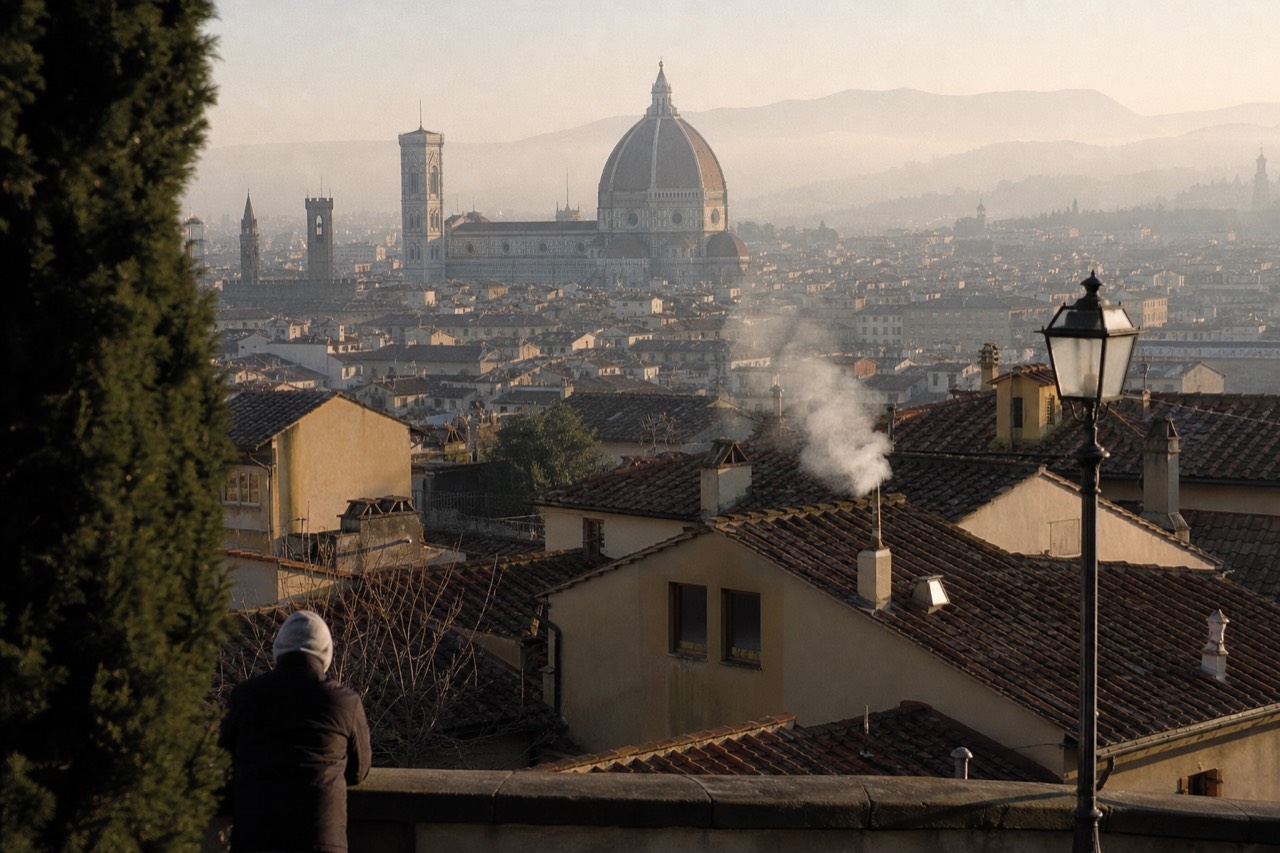
The top five are the Uffizi Galleries, the Duomo complex, Mercato Centrale and the Sant'Ambrogio market quarter, the Oltrarno on the south bank of the Arno, and a Chianti Classico tasting, and the honest reason is that these five cover Renaissance art, the city's defining building, its working food culture, its artisan neighbourhood and its flagship wine. Each one is also bookable, priced and timeable from primary sources, which is where most top-five lists quietly give up. Below, every entry carries its verified cost, its hours and the 2026 changes that affect it, plus the food tour that pairs with it if eating is half of your reason for going.
The "top five" frame is the reader's frame, not a ranking handed down by any tourism body. No official source ranks Florence's attractions, and this site will not pretend one does. What the primary sources do support is that these five anchor the overwhelming majority of first visits, and that each has a fact attached to it in 2026 that a generic list will not tell you: the Uffizi now has an afternoon discount, the Accademia has new cumulative tickets, Giotto's Bell Tower is under scaffolding, the Oltrarno has new outdoor-seating rules, and Mercato Centrale's upstairs hall runs to eleven at night.
If your version of Florence is mostly a food trip with art attached, the three tours below are the ones that slot most cleanly alongside those five sights. The central market tour eats inside sight number three, the Oltrarno dine-around covers sight number four, and the city highlights walk stitches street food to the sightseeing core.
How Do The Uffizi And Accademia Fit Into A Top-Five Day?
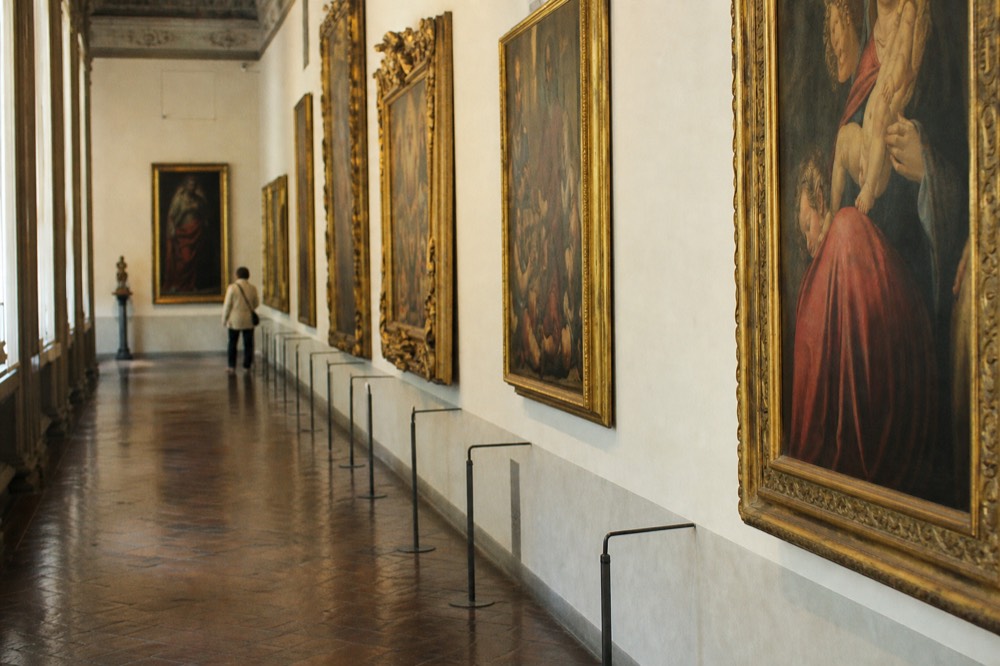
The Uffizi costs 25 euros on the day of entry and 29 euros booked in advance, per the official fares table, while the Accademia now sits inside a cumulative ticket system introduced on 15 March 2026: 26 euros buys 48-hour access to the Accademia and the Bargello, and 38 euros buys 72 hours across five venues. That reorganisation is the single most useful fact for a first-time visitor in years, because it turns two separate queue-and-ticket operations into one decision. Individual Accademia entry rose to 20 euros on 1 February 2026.
The afternoon discount matters just as much. Uffizi entry after 16:00 costs 16 euros, a saving of 9 euros against the day-of full price, and it applies from 1 January 2026. For a traveller whose morning belongs to a food tour, that is the difference between choosing the museum or the market, and choosing both. The official fares page lists every current option, including the 40-euro five-day Passepartout that bundles the Uffizi, Palazzo Pitti and the Boboli Gardens.
Palazzo Pitti, if the Oltrarno is on your list, runs Tuesday to Sunday 8:15 to 18:30 with last entry at 17:30, and single tickets are 16 euros on the day or 19 euros in advance. Two budget notes complete the picture. State museums, including the Uffizi and the Accademia, are free on the first Sunday of every month plus 25 April, 2 June and 4 November. And the Firenze Card Restart extension, available from 1 March 2026 at 28 euros, adds 48 hours of validity to a lapsed 72-hour card, which suits anyone stretching a four-day itinerary. The Accademia's own announcement covers the new cumulative structure and unified hours.
A practical pairing: the Uffizi sits a short walk from Piazza della Signoria, where several classic food tours meet, including the steak-and-wine walk that runs 3.5 hours with a small group capped at 12. If you would rather see the galleries early and eat after, the afternoon discount flips the day neatly, and you can check the available dates for the evening formats on the live listings before committing to a morning slot.
Why Is Mercato Centrale One Of The Five, And Not Just A Lunch Stop?
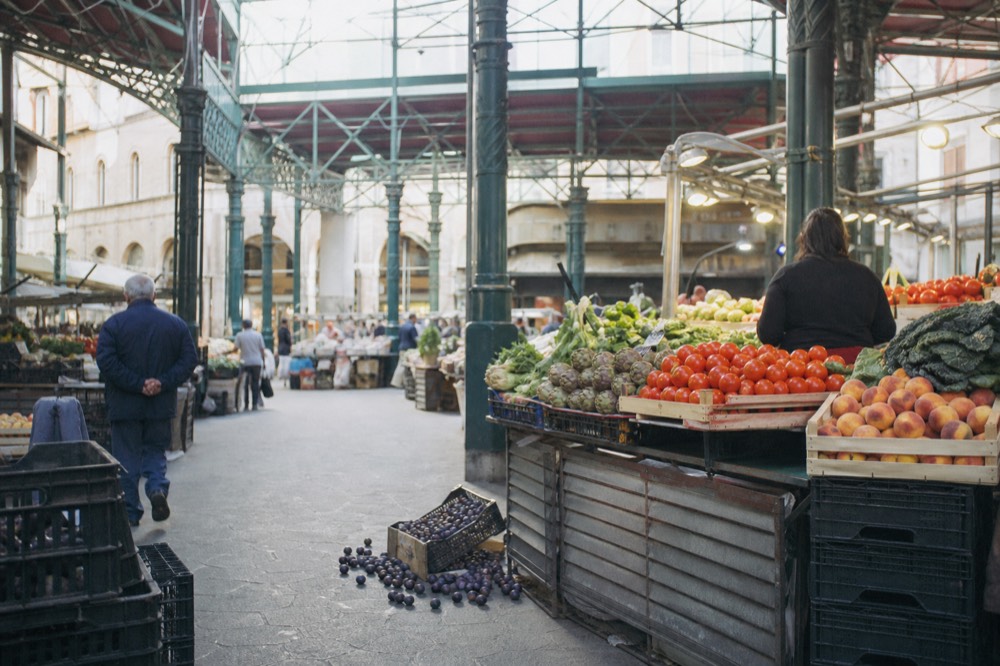
Mercato Centrale earns its place because it is two markets in one 1874 cast-iron building: a ground floor of over one hundred produce stalls running Monday to Friday 7:00 to 15:00, and a 3,250-square-metre first-floor food hall open every day from 9:00 to 23:00, which makes it the only major Florence sight you can visit at ten at night. The building was inaugurated in 1874 during the International Horticulture Exhibition, designed by Mengoni, the architect of Milan's Galleria Vittorio Emanuele II.
The confusion to avoid is next door. The outdoor San Lorenzo market along Via dell'Ariento sells clothing, leather goods and souvenirs, not food, and it is what most people picture when they think they are walking to "the market". The food is inside: butchers, bakers, fishmongers and deli stalls on the ground floor, and the artisan botteghe, restaurant and pizzeria upstairs, where you can sit anywhere and only the pizzeria and restaurant take bookings.
Sant'Ambrogio is the locals' counterpart, Monday to Saturday 7:00 to 14:00 in Piazza Lorenzo Ghiberti, closed Sunday, and built in 1873 to Mengoni's design as well. It worked as the city's wholesale fruit and vegetable centre until the 1960s. Its outdoor stalls reopened in December 2025 under new canopies after a roughly 1.9-million-euro restoration, with adjustable solar shading added in August 2026, so summer visits are more comfortable than they were two years ago.
The market tour that turns this sight into a meal is the Central Market Food & Wine Tour: nine food tastings and six drinks inside Mercato Centrale, rated 5.0 across 265 reviews, from $111.21, with free cancellation up to 24 hours before the start time. Three hours, one building, and a guide who can tell you which of the hundred ground-floor stalls is worth your money. If that format appeals, Check availability before locking your museum slots, because the tour's timing will anchor the rest of your day.
What Should You Know About The Duomo Complex And Ponte Vecchio In 2026?
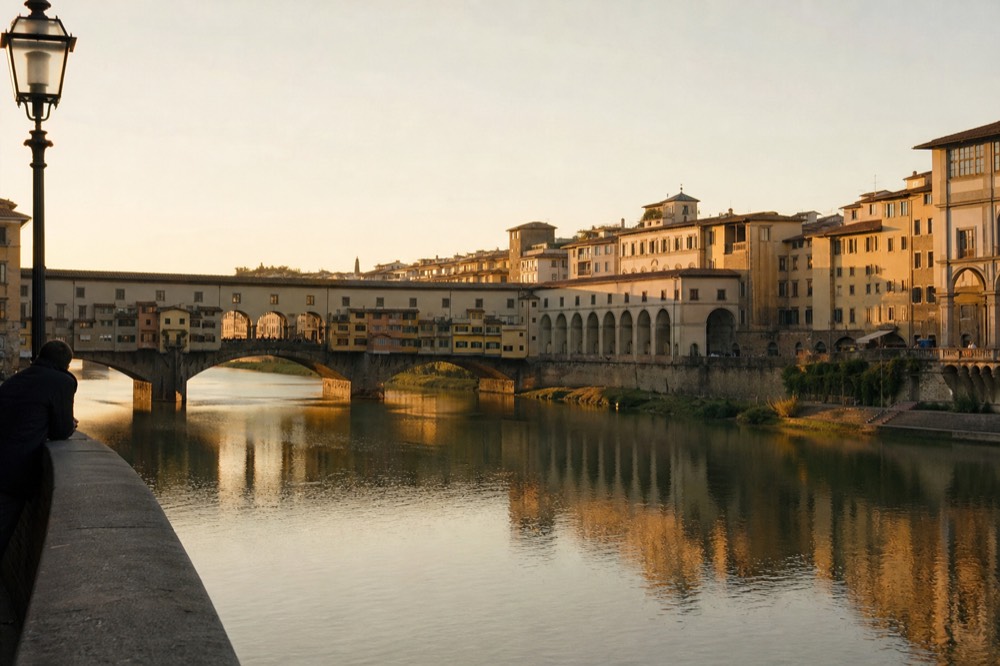
The Duomo complex stays on the top-five list, but 2026 changes the view: restoration of Giotto's Bell Tower began in March 2026, the first full exterior marble restoration in the tower's history, with scaffolding assembly taking roughly four months and four years of work to follow on a project exceeding 7 million euros. Ponte Vecchio, meanwhile, entered its first major conservation restoration on 25 May 2026, a 1.637-million-euro project with river-level structural work in the first phase and deck and paving work to come, supported by floating pontoons.
None of this closes either sight. It means photographs will include scaffolding, and it means any itinerary that banks on an unobstructed bell-tower climb or a pristine bridge panorama should adjust expectations now rather than on arrival. The Opera di Santa Maria del Fiore's construction and restorations page tracks the works directly.
The practical reason the Duomo complex holds its slot is density. The cathedral, the dome, the bell tower, the baptistery and the museum sit on one square, and the ten-plus-tastings food tour that ends at the Cathedral of Santa Maria del Fiore gives you a route that finishes exactly there, several meeting points selectable at booking. That is the cleanest way to end an eating morning at the city's most photographed building.
One more 2026 note for anyone moving between these sights by tram or bus: the urban single ticket rose to 2.00 euros from 1 August 2026, up from 1.70, with the 10-ride carnet at 18.20 euros. Florence's centre is walkable, but the station-to-Oltrarno-to-San Lorenzo triangle adds up quickly if you ride every leg.
Why Does The Oltrarno Belong On A Top-Five List?
The Oltrarno, the artisan quarter south of the Arno, belongs on the list because it is where Florence still makes things: workshops rather than flagship stores, Piazza Santo Spirito as its living square, and a food culture that runs from the morning market to late aperitivo, all under new 2026 outdoor-seating rules that cap and in places ban street tables. The dehors regulation approved on 19 January 2026 and in force from 11 February 2026 bans outdoor installations on 60 streets in the UNESCO centre and restricts them on 73 others, with Piazza Santo Spirito limited to simple tables and chairs directly on the pavement.
The square is also a market square. La Fierucola, the organic farmers' market, runs in Piazza Santo Spirito on the third Sunday of each month except August, 9:00 to 19:00, with a published 2026 calendar that includes themed editions for seeds in February, bees in June and new oil in November. If your trip lands on the right Sunday, it is the most Florentine hour you can spend without a ticket.
Two food tours work this bank. The Oltrarno Neighborhood Food & Wine Dine Around runs 3.5 hours from Piazza Santo Spirito with 8-plus tastings and 6 drinks, rated 4.9 across 302 reviews, from $130.14, free cancellation up to 24 hours before the start. And the sunset tour that starts from the same square carries the largest verified review base on this site's roster, 5.0 across 5,911 reviews, with 9 to 10 Tuscan bites, four wines, a prosecco toast and a cocktail lesson. Both are evening formats, which leaves your Oltrarno morning for the Pitti or the workshops.
A behaviour rule worth knowing before you eat your way around the square: a May 2026 mayoral ordinance prohibits standing, eating or drinking on the entire forecourt and steps of the Basilica di Santo Spirito, around the clock, with fines reported at 400 to 1,000 euros. Tours route around it, but independent snackers should too.
Where Does Wine Fit In, And Is A Chianti Classico Tasting Worth A Slot?
Chianti Classico takes the fifth slot because it is Florence's own wine story, and the facts behind it are unusually solid: the consortium was founded on 14 May 1924 as Italy's first wine producers' consortium, the wine took DOC status in 1967 and DOCG in 1984, and since 2006 every bottle must be at least 80 percent Sangiovese with only black grapes permitted. The Black Rooster mark, on every bottle since the 2013 graphic revision, is the denomination's symbol rather than a private brand, so it is the one label detail worth teaching yourself before a tasting.
You do not need to leave the city to taste well. The food and wine walking tours in the historic centre pour Chianti and Vin Santo across five food stops, and the classic steak dinner tour includes four wines alongside 14 tastings. For readers weighing the full question of guided versus independent eating, the guided versus self-guided food tour guide breaks down when a guide earns its price in a city this dense.
Two protected-designation facts make Florence tastings sharper. Chianti Classico is also a PDO extra virgin olive oil, registered in 2000, so a single name on a label can mean wine or oil depending on the bottle. And the Toscano PGI olive-oil harvest closes on 15 December each year, which is why new oil, olio nuovo, is a November-and-December phenomenon rather than a year-round one. The truffle calendar runs the same way: white truffle season in Tuscany runs 1 October to 15 January, so a winter trip tastes different from a summer one.
How Much Time And Money Does Each Of The Five Need?
Budgeting the five honestly: the museums run 16 to 29 euros per venue, the Duomo complex is one ticket decision, the markets are free to enter with food priced by the stall, the Oltrarno costs nothing to walk and whatever you spend at the Fierucola, and wine tastings start around the price of a mid-range walking tour, so a realistic day covering two of the five runs 60 to 120 euros per person before food. The table below puts the five against each other directly.
| The five | Time needed | Entry cost | Best time of day | 2026 note |
|---|---|---|---|---|
| Uffizi and Accademia | 2-4 hours | Uffizi 25/29 euros; Accademia 20 euros; cumulative 26/38 euros | After 16:00 for the 16-euro Uffizi discount | Cumulative tickets from 15 March 2026 |
| Duomo complex | 1-3 hours | On the listing for the combined monument ticket | Morning, before queues build | Bell tower scaffolding for four years |
| Mercato Centrale and Sant'Ambrogio | 1-3 hours | Free entry; food by the stall | Ground floor before 15:00; food hall to 23:00 | Sant'Ambrogio closed Sunday |
| The Oltrarno | Half a day | Free to walk; Pitti 16/19 euros | Evening for aperitivo | New outdoor-seating rules from 11 February 2026 |
| Chianti Classico tasting | 1.5-4 hours | From about $49 on a guided walk | Late afternoon | White truffle season 1 October to 15 January |
The pairing table answers the question most readers actually arrive with: which tour goes with which sight. This is the layer most top-five lists leave out entirely, and it is where Florence Food Tours does most of its work, matching a verified tour to each sight so the eating and the sightseeing reinforce each other instead of competing for the same afternoon.
| Sight | Paired food tour | Price from | Rating |
|---|---|---|---|
| Mercato Centrale | Central Market Food & Wine Tour, 3 hours | $111.21 | 5.0 across 265 reviews |
| The Oltrarno | Oltrarno Food & Wine Dine Around, 3.5 hours | $130.14 | 4.9 across 302 reviews |
| Uffizi and Signoria quarter | City Highlights and Street Food Tour, 2.5 hours | $45.00 | 4.9 across 103 reviews |
| Duomo complex | 10+ Tastings tour ending at the Duomo, 3 hours | $115.95 | 4.9 across 250 reviews |
| Evening, any district | Sunset Food & Wine Tour from Piazza Santo Spirito | $128.96 | 5.0 across 5,911 reviews |
How Do You Fit All Five Into One Trip Without Exhausting Yourself?
The honest sequencing rule is two sights a day, one art and one food, because the museums close in the evening, the markets close in the afternoon and the food tours fill the gap in between: morning Uffizi with its afternoon discount reversed, or morning market with an afternoon gallery, then an evening food tour across the river. A two-day trip covers all five at that pace with room to breathe. A one-day trip covers three at most, and the must-sees in one day guide handles that compressed version separately.
Seasonality should shape the order more than most lists admit. According to the Centro Studi Turistici di Firenze, April and May grew most in overnight stays in 2025 while July was the only month that fell, so spring trips face fuller galleries but softer streets. The truffle and olive calendars above push serious eaters toward October through December, when white truffle, new oil and the cooler walking weather coincide.
Money-saving levers that are actually verified: first-Sunday free entry at the state museums, the 16-euro Uffizi afternoon ticket, the 26-euro 48-hour Accademia-and-Bargello cumulative ticket, and free cancellation up to 24 hours before the start time on 21 of the 22 tours on this site's roster. The one exception is the all-inclusive Streaty market walk, which is non-refundable, so book that one only when your day is locked.
If you are still deciding between the formats, the Florence food tour itineraries compared guide walks through the routes neighbourhood by neighbourhood, and the trio below covers the three pairings from the table above in one place. Check the live listings for current dates before you build the rest of the day around any single slot.
The five essentials are the Uffizi, the Duomo, Mercato Centrale, the Oltrarno and a Chianti Classico tasting, and the questions below cover the costs, the hours, the free days and the one-day version of the itinerary, because those are the details that decide whether a top-five list survives contact with an actual trip. Each answer reuses the verified figures from the sections above, so nothing here is new or unexplained elsewhere on the page.
Common Questions About The Top Five Things To Do In Florence
What are the top five things to do in Florence, Italy?
The Uffizi Galleries, the Duomo complex, Mercato Centrale with the Sant'Ambrogio quarter, the Oltrarno south of the Arno, and a Chianti Classico tasting. Together they cover Renaissance art, the city's defining building, its working food markets, its artisan district and its flagship wine, and each has verified hours, prices and 2026 changes covered in full above.
How much do the Uffizi and Accademia cost in 2026?
The Uffizi costs 25 euros on the day of entry and 29 euros in advance, with a 16-euro rate for entry after 16:00. The Accademia costs 20 euros individually, or 26 euros for a 48-hour cumulative ticket with the Bargello and 38 euros for a 72-hour ticket across five venues, effective 15 March 2026.
Is Mercato Centrale open in the evening?
Yes. The first-floor food hall is open every day from 9:00 to 23:00, per the operator's own site. The ground-floor produce market keeps different hours, Monday to Friday 7:00 to 15:00 and Saturday plus pre-holiday days 7:00 to 17:00.
What is free in Florence?
Entry to the state museums, including the Uffizi, Accademia, Pitti and Boboli, is free on the first Sunday of every month plus 25 April, 2 June and 4 November. Walking the Oltrarno, Piazza Santo Spirito and the Fierucola market on its third-Sunday dates costs nothing to enter.
Can you do Florence's top five in one day?
Not comfortably. The museums alone take two to four hours, and the markets close by mid-afternoon. A single day realistically covers the Duomo complex, a market and one museum, with an evening food tour across the river; a two-day visit covers all five at a humane pace.
Which food tour pairs best with the top five?
For the market, the Central Market Food & Wine Tour with nine tastings and six drinks inside Mercato Centrale. For the Oltrarno, the dine-around with 8-plus tastings and 6 drinks from Piazza Santo Spirito. For the sightseeing core, the 2.5-hour City Highlights and Street Food tour at 45 dollars from, the cheapest tour on the roster.