What Is A Culinary Tour Or Food Tour In Florence?
A culinary tour or food tour is a guided walk through a city's food culture, combining tastings, market visits, and sometimes hands-on cooking. This guide breaks down the formats, what to expect, and how to choose the right one in Florence.
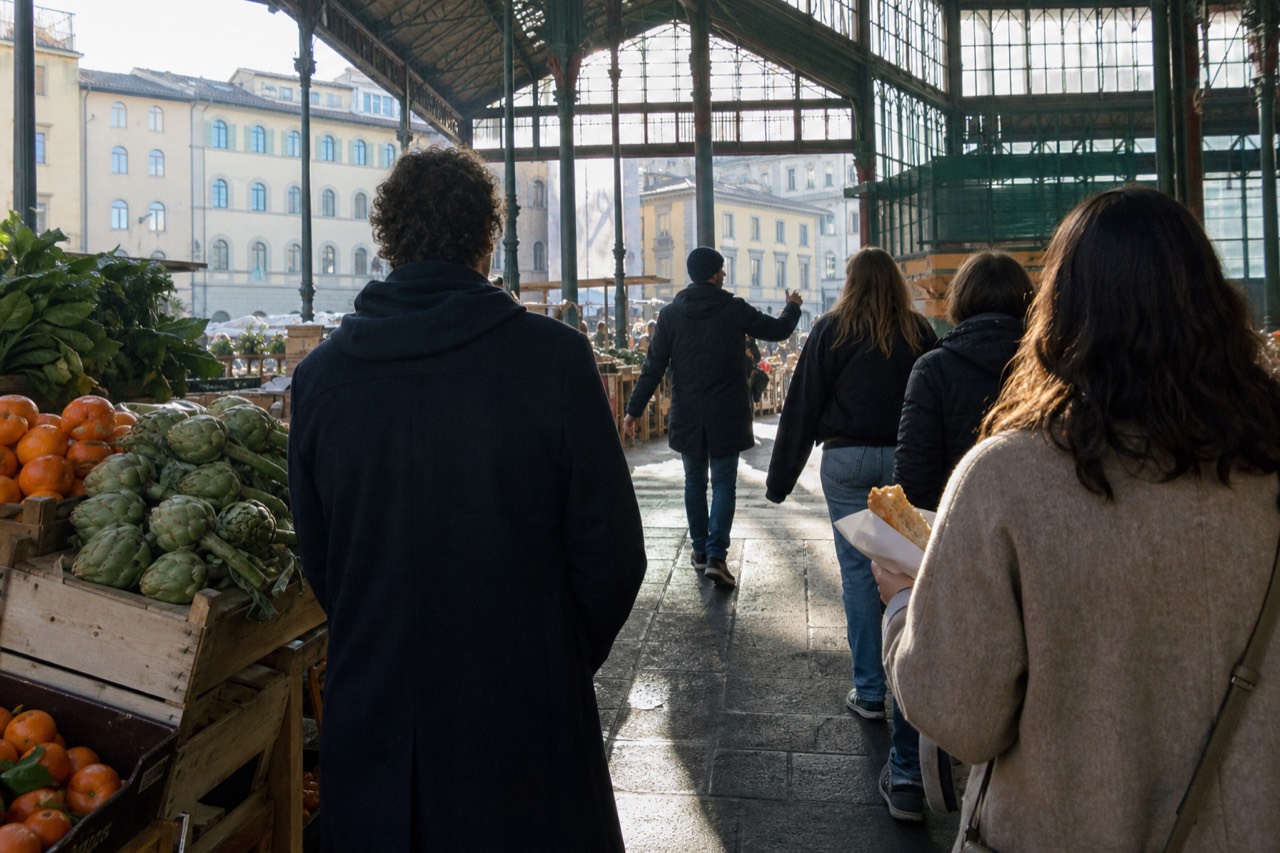
Florence draws millions of visitors each year, and a growing number of them skip the passive sightseeing for something they can taste. A food tour puts you in front of a trippaio’s cart, a cheese counter at Mercato Centrale, or a kitchen bench with flour up to your elbows, all while a local guide explains what you are eating and why it matters. But the term covers a wide range of experiences, and the differences between a tasting walk, a market tour, and a hands-on cooking class are not always clear from a listing title. This article lays out what each format actually involves, what you can expect to pay in Florence, and how to pick the one that matches your appetite.
What To Expect On A Guided Food Walk In Florence
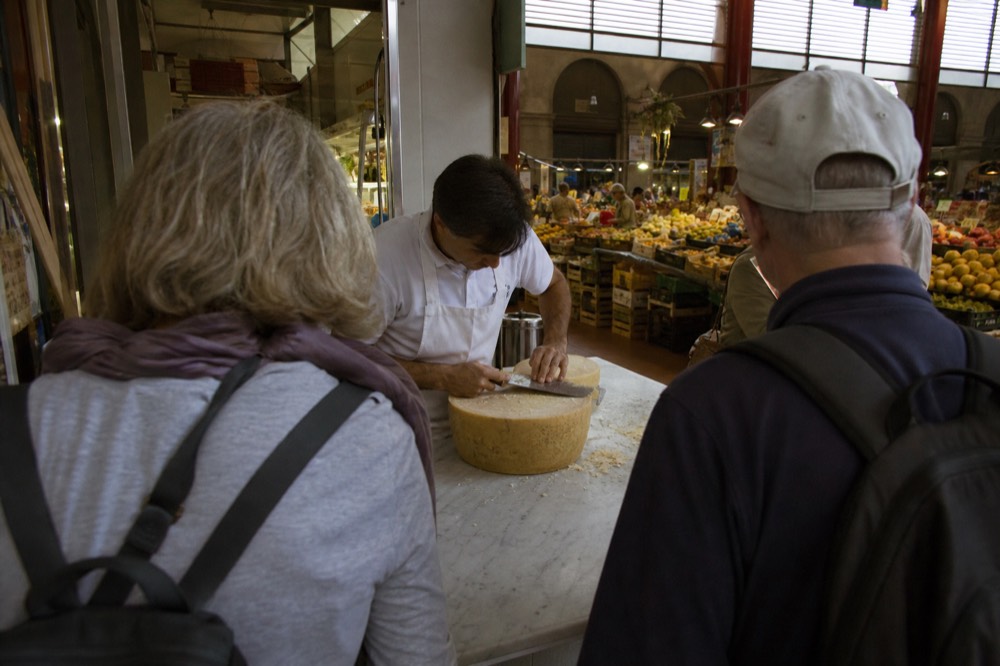
A Florence food tour is a small-group guided walk that stops at four to six food venues for tastings, often combined with market visits, historical commentary, and sometimes a hands-on cooking element. Groups are typically capped at 12 or 13 people, and the meeting point is nearly always a central square such as Piazza dell’Unità Italiana, Piazza della Signoria, or Piazza Santo Spirito.
Every tour on Florence Food Tours includes all food and drink at the stops, and the guide handles ordering, payment, and any language barrier. The pace is relaxed, with short walks between venues, and the total distance covered rarely exceeds a mile and a half. Most tours last between two and four hours, though cooking classes can run up to five. Free cancellation up to 24 hours before the start time is standard: 21 of the 22 products on this site’s roster carry it, with only one market tour being non-refundable.
The experience is designed to be social as well as educational. You will share tables with strangers, pass plates, and hear the guide’s stories about Florentine food traditions. By the end, you will have a mental map of places to return to on your own, and a much clearer idea of what to order at a trattoria, a bar, or a market stall.
What Does A Food Tour Actually Involve?
A food tour is a guided walk that stops at multiple food venues for tastings, often combined with market visits, historical commentary, and sometimes a hands-on cooking element. The core promise is that you eat what locals eat, in the places they eat it, while someone else handles the logistics, the language, and the bill.
A street-food walk might cover lampredotto, schiacciata, cantucci with Vin Santo, and two pours of Chianti in two and a half hours. A market tour adds time with the vendors, letting you sample olive oil, pecorino, and truffle products while the guide explains how to read a Tuscan label. A cooking class starts at the market, too, but then moves to a kitchen where you make the meal yourself.
The common thread is that you are not just eating: you are being told what makes Florentine bread salt-free, why the coperto appears on your bill, and which months bring fresh truffles to the Sant’Ambrogio stalls. A good guide answers the questions you did not know to ask, and the best tours leave you with a mental map of places to return to on your own.
What Is Culinary Tour Or Food Tour?
A culinary tour and a food tour are the same thing in practice: a guided experience built around eating and drinking, with an educational layer. In Florence the terms are used interchangeably across all booking platforms, and the distinction, if any, is that “culinary tour” sometimes signals a stronger emphasis on cooking or technique, while “food tour” is the broader, more common label.
The phrase “culinary tour” appears more often on products that include a kitchen component, such as a market visit followed by a pasta-making class, but even that is not a rule. The roster on this site lists everything from a two-hour street-food stroll to a four-and-a-half-hour market-and-cooking marathon under the same umbrella. What matters is not the label but what you actually do with your hands: walk and taste, shop and taste, or shop, cook, and eat.
Florence’s food-tour scene has grown steadily, and in 2026 the city was named the world’s top destination for hands-on food experiences in a Titan Travel survey that counted 231 cooking classes and interactive activities, with roughly 74% holding four-star ratings or higher. That volume means you can find a tour that fits almost any schedule, diet, or budget, provided you know which format to look for.
How Do The Main Formats Compare?
Florence food tours break into three broad formats: tasting walks, market tours, and hands-on cooking classes. Tasting walks are the shortest and cheapest, market tours add vendor interaction and deeper ingredient knowledge, and cooking classes turn the market haul into a meal you prepare yourself.
The table below lays out the practical differences. Prices are the “from” rates on the live listings for each category on this site’s roster, and durations are the most common lengths across the products.
| Format | Typical Duration | Price Range (Florence) | What You Do With Your Hands |
|---|---|---|---|
| Tasting Walk | 2 to 3.5 hours | $45 to $69.80 | Walk, stop, eat, drink, listen. No cooking. |
| Market Tour | 3 to 5 hours | $79 to $259.10 | Walk the stalls, talk to vendors, sample ingredients, sometimes help select produce for a meal. |
| Cooking Class | 3.5 to 5 hours | $102.93 to $259.10 | Shop the market with the chef, then cook a full meal: pasta, sauce, dessert. Eat what you made. |
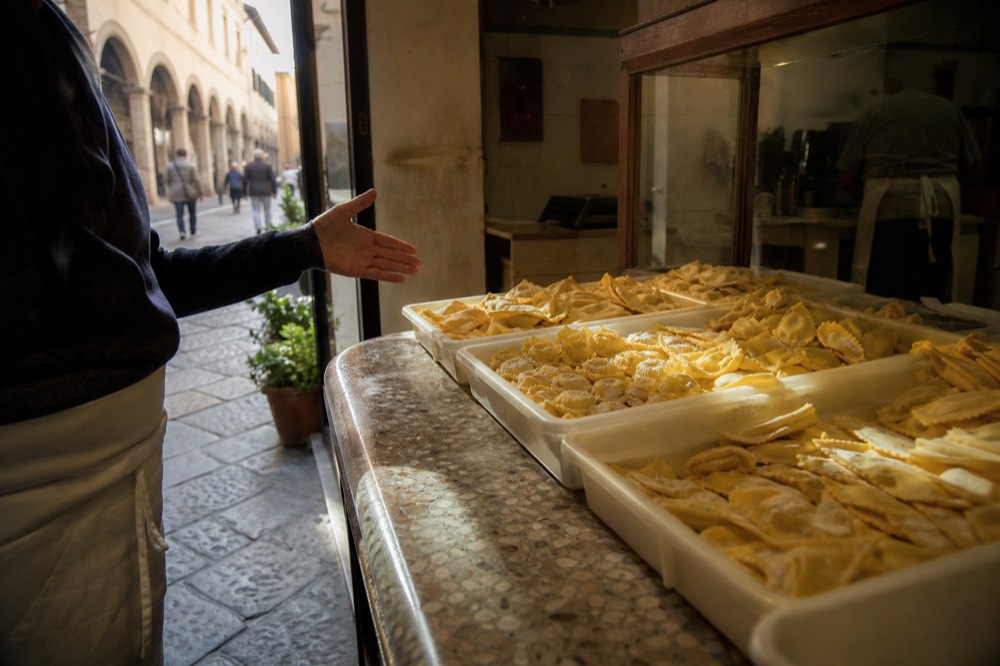
A tasting walk is the entry point: you cover a neighbourhood on foot, stop at five or six food spots, and leave full in under three hours. A market tour goes deeper, spending real time inside Mercato Centrale or Sant’Ambrogio, where the guide introduces you to butchers, bakers, and cheese makers. A cooking class is the most immersive option, often starting at the market to buy ingredients and ending at a stove with a glass of wine in hand.
Tasting Walks: Street Food And Neighbourhood Strolls
A tasting walk is the simplest and most popular food-tour format in Florence. It lasts between two and three and a half hours, costs from $45 to $69.80 per person, and includes four to six stops for street food, wine, and gelato, with a guide who narrates the history of each dish and the neighbourhood you are walking through.
These tours are built for people who want to eat well without committing half a day. The route is almost entirely on foot, the pace is relaxed, and the stops are chosen to give you a cross-section of Florentine street food: a lampredotto panino from a trippaio cart, a slice of schiacciata from a bakery, a tasting of olive oil and balsamic, a glass of Chianti, and a scoop of gelato to finish. The guide handles ordering, payment, and any language barrier, so you can focus on the food.
Because tasting walks are short and relatively inexpensive, they work well on a first day in the city, when you are still getting your bearings. They also pair easily with museum visits: a morning tour ends by lunchtime, leaving the afternoon free for the Uffizi or the Duomo. Several operators run morning and afternoon departures, and the meeting points are nearly always central, often in Piazza dell’Unità Italiana or Piazza della Signoria.
The street-food walk that offers the most tastings for the lowest price is the Florence: Street Food Tour with Wine & Local Guide, which includes market and street tastings of olive oil, balsamic, truffle, local dishes, and wine for $49.00 per person across 2.5 hours. It carries a 4.8 rating from 1,869 reviews, the largest review base in the budget band.
Market Tours: Shopping With A Guide
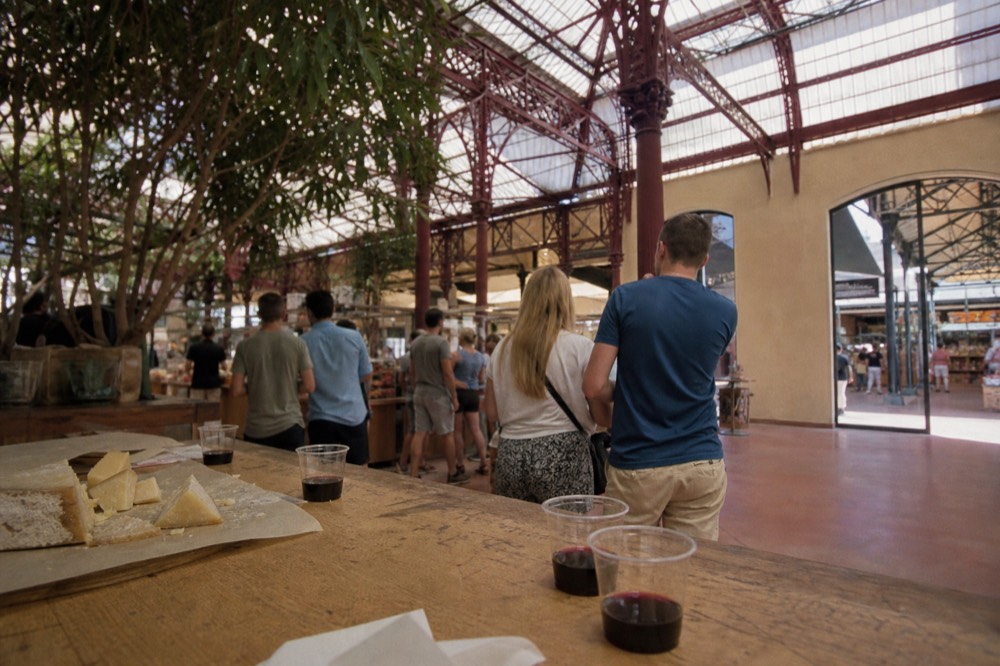
A market tour puts the focus on the stalls rather than the streets. You spend two to three hours inside Mercato Centrale, Sant’Ambrogio, or both, meeting the vendors, tasting their products, and learning how to choose a good pecorino, a ripe tomato, or an honest bottle of extra-virgin olive oil.
Florence’s two historic markets are the backbone of this format. The ground floor of Mercato Centrale, a cast-iron structure inaugurated in 1874, holds over one hundred businesses: butchers, fishmongers, bakers, and deli counters separated by narrow lanes. The first-floor food hall, which opened in 2014, covers 3,250 square metres and is open daily from 09:00 to 23:00, with artisan botteghe, a pizzeria, and a central bar. Sant’Ambrogio, the older of the two and the city’s most authentic working market, operates Monday to Saturday from 07:00 to 14:00 and recently completed a 1.9 million euro restoration that added new canopies and improved climate comfort.
A market tour typically starts at one of these, and the guide walks you through the seasonal produce, the cured meats, and the cheese, often with samples at several counters. The advantage over a tasting walk is depth. You are not just eating a slice of pecorino; you are learning the difference between a young, semi-stagionato wheel and one aged eighteen months, and why the rind should not be thrown away. You taste olive oil from the Colline di Firenze and hear how the 2025 harvest, which came in about 30% below the previous year due to June heat, affected the oil on the shelf. You meet the people behind the counter, and you leave with a shopping list and the confidence to use it.
Some market tours include a cooking component, and that is where the format overlaps with the hands-on classes. The MaMa Florence Guided Market Tour and 4-Course Pasta Cooking Class, for example, starts with a market visit to select ingredients and then moves to a kitchen for a four-course lunch: appetiser, three pastas, and dessert, with wine and prosecco. At $259.10 per person and 4 hours 30 minutes, it is the most expensive product on the roster, but it is also the only one that delivers a full meal you have cooked yourself under a chef’s instruction.
At Mercato Centrale, guides often steer you toward the lampredotto cart, a Florentine street-food institution where the sandwich is dipped in broth, or the fresh pasta counter where sheets of pappardelle are cut to order. Vendors are accustomed to these visits and will slice a wedge of finocchiona, the fennel-scented salami, or pour a thimbleful of vin santo. A good guide explains why the marble counters at the fishmonger are tilted, how to spot a properly hung pheasant, and what the chalk marks on a wheel of Parmigiano actually mean. By the end, you will know which stall sells the best ricotta, which butcher dry-ages his own bistecca alla fiorentina, and how to ask for a taste without committing to a purchase. Many participants return the next morning with a cloth bag to buy the ingredients for a picnic or a dinner back at their apartment.
Hands-On Cooking Classes: From Market To Plate
A hands-on cooking class is the most immersive food-tour format in Florence. It combines a market visit with a kitchen session, lasts three and a half to five hours, and ends with a full meal that you have prepared, often with unlimited wine.
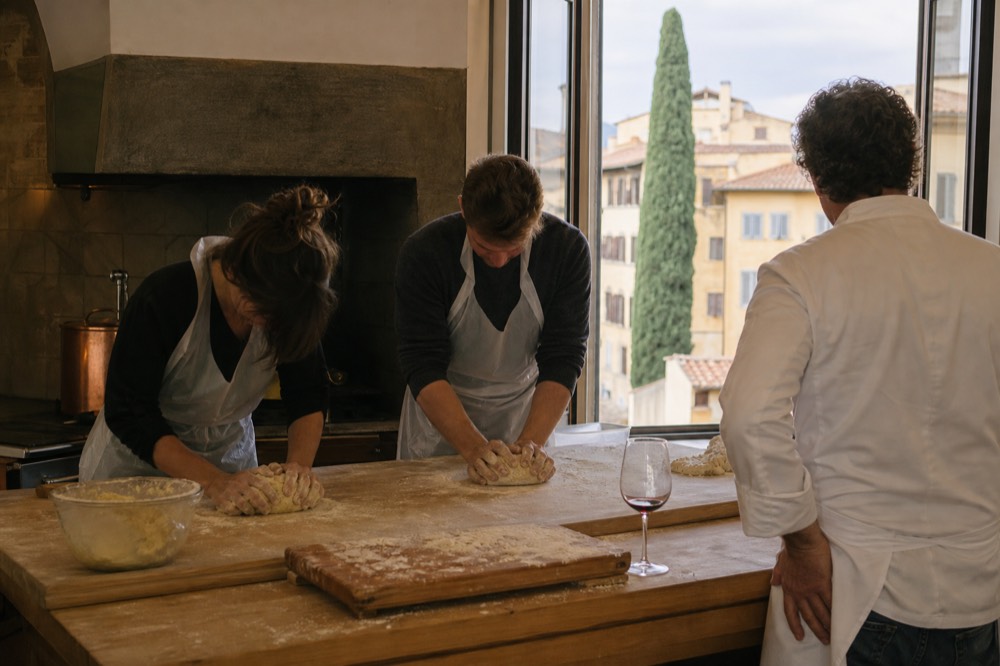
These classes are not demonstrations. You are given an apron, a station, and a task: rolling pasta dough, stuffing ravioli, reducing a sauce. The chef teaches technique, but the work is yours. The market segment, which usually comes first, is a practical shopping trip: you see how a Florentine cook selects vegetables, which cut of meat goes into a ragù, and why the bread has no salt. Then you return to the kitchen and turn it all into lunch.
Florence’s cooking-class scene is large enough that you can find a class at almost any price point. The Market Food Tour in Florence + 4 courses lunch Cooking Class, for instance, runs 4 to 5 hours and costs from $102.93 per person, with unlimited wine included. It starts at the market, moves to a kitchen, and ends with a four-course meal you have cooked yourself. That is the longest experience on the roster and one of the best values for a full hands-on day.
If a shorter, more focused class appeals, the MaMa Florence option mentioned earlier packs the same market-to-table arc into 4 hours 30 minutes, with a menu built around three pastas. Both tours carry free cancellation up to 24 hours before the start time, so you can book early and adjust your plans if your itinerary shifts. Check availability for the MaMa Florence class on its live listing.
How To Choose The Right Format For You
The right format depends on how much time you have, how much you want to spend, and whether you want to eat and learn or eat, learn, and cook. A tasting walk fits a tight schedule and a modest budget. A market tour suits anyone who wants to shop and cook later on their own. A cooking class is for the traveller who wants to bring a skill home, not just a memory.
If you have only a morning free and want to taste as much as possible for under $70, pick a street-food walk. The tasting list on the Florence: Street Food Walking Tour with Wine, for example, runs from pasta and truffle through charcuterie, a bakery stop, and gelato, all in 2.5 hours. It carries a sell-out badge on the live listing, so booking a few days ahead is sensible.
If you are staying in an apartment with a kitchen, a market tour gives you the knowledge to shop like a local for the rest of your trip. You will learn which stalls at Sant’Ambrogio sell the best produce, how to recognise a true Tuscan olive oil, and what to ask for at the cheese counter. That knowledge pays off every time you cook.
If you want the fullest possible food day, a cooking class is the answer. You will spend four to five hours shopping, chopping, and stirring, and you will sit down at the end to a meal you made. It is the most expensive format, but it is also the one that stays with you longest: you go home with a pasta recipe, a sauce technique, and a better understanding of why Florentine food tastes the way it does.
For more on the differences between private and small-group tours, see our guide to private versus small-group food tours. If you are still deciding between a tasting walk and a market tour, the street food tours and market food tours pages compare the rosters directly.
Here are answers to the most common questions about culinary tours and food tours in Florence, covering what they include, how long they last, dietary accommodations, and the difference between a tasting walk and a cooking class.
Common Questions About Culinary Tours And Food Tours
What is culinary tour or food tour?
A culinary tour and a food tour are the same thing: a guided experience built around eating and drinking, with an educational layer. In Florence the terms are used interchangeably, and the difference, if any, is that “culinary tour” sometimes signals a stronger emphasis on cooking.
How long does a food tour in Florence last?
Most food tours run between 2 and 5 hours. Tasting walks are typically 2.5 hours, market tours 3 to 4 hours, and cooking classes 3.5 to 5 hours. The shortest tour on the roster is a 2-hour street-food walk, and the longest is a 4-to-5-hour market-and-cooking class.
What is included in the price of a food tour?
All food and drink tastings at the stops are included. Some tours also include wine, a sit-down meal, or a cooking class. Transportation is rarely included except on private tours. The coperto, if any, is usually covered by the tour operator. Check the specific listing for details.
Do I need to tip on a food tour?
Tipping is discretionary in Italy, and there is no verified norm for food-tour guides. Some travel guides suggest 5 to 10 euros per person for a half-day group tour, but the decision is yours. The coperto on a restaurant bill is a cover charge, not a tip, and it goes to the establishment, not the guide.
Can I do a food tour if I have dietary restrictions?
Many Florence food tours can accommodate vegetarian, gluten-free, or dairy-free diets if you inform the operator in advance. Not every stop will have a substitute, but guides usually work with the vendors to provide alternatives. Check the listing’s dietary notes or contact the operator before booking.
What is the difference between a food tour and a cooking class?
A food tour is a guided walk with tastings at multiple venues. A cooking class is a hands-on session where you prepare a meal, often after a market visit. Some tours combine both, starting with a market walk and ending in a kitchen.